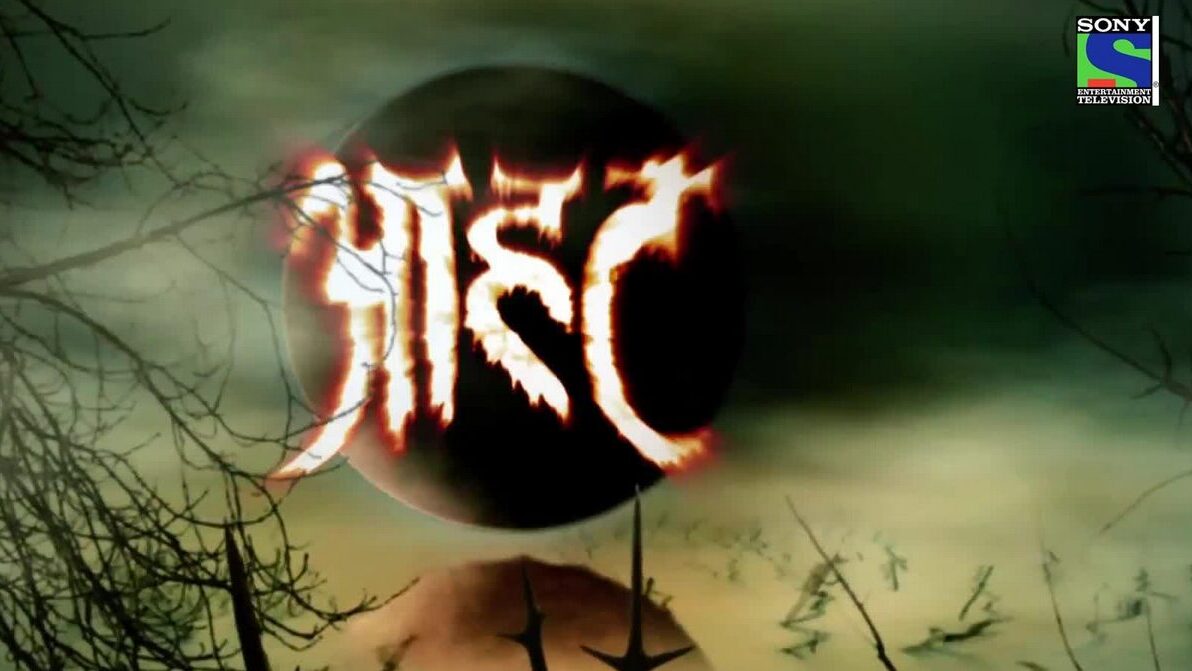
Long before horror streaming became a weekend binge category, Indian television had Aahat — the show that turned dark rooms, creaking doors, mirrors, train compartments, abandoned mansions and late-night silence into pure nightmare fuel. Created by B. P. Singh for Sony TV, Aahat became one of India’s most recognizable horror anthology series, running across six seasons between 1995 and 2015 and leaving behind a legacy that still lives on in nostalgia threads, YouTube rewatches, and “that one episode that traumatized me as a kid” conversations.
What made Aahat special was not just that it scared people. It was the way it kept reinventing fear. The earliest run leaned heavily into suspense, crime, and psychological dread before gradually embracing supernatural horror more openly. Over time, the series moved from eerie whodunits to cursed objects, ghost trains, mirror spirits, haunted houses, crying apparitions, revenge from beyond the grave, and stories that felt far bigger than television budgets should have allowed.
Ask longtime viewers to name their favorite episodes, and certain titles return again and again: Khajan Mail, Aaina, Shart/The Bet, Limbu, Rudaali, and several unforgettable season 1 stories. Reddit fans, in particular, repeatedly single out Khajan Mail as a favorite, while also praising the first season as the show’s richest era for pure suspense-horror storytelling.
So if you are looking for the best Aahat episodes to revisit — or want to introduce yourself to the series through its strongest nightmares — this is the list to start with.
1) Khajan Mail – The Ghost Train Episode That Became Aahat Lore
If there is one Aahat episode that comes up almost every time fans talk about the scariest or most memorable installment, it is Khajan Mail. The setup is instantly haunting: a woman on the run finds herself boarding a mysterious train from Blara Junction, only to realize this is no ordinary journey. The train feels trapped between life and death, and every stop seems to take her deeper into something she cannot escape. Fan conversations often refer to it simply as “the Blara Junction one,” which tells you how firmly its imagery has stuck.
What makes Khajan Mail so effective is that it feels bigger than a standard television ghost story. It has mythology, atmosphere, dread, and a visual identity people still remember years later. The haunted train concept is simple, but the execution gives it the weight of an urban legend. It is the kind of episode that turns a familiar space into something cursed forever. YouTube
2) Aaina – The Mirror Horror That Haunted a Generation
There are horror episodes you enjoy, and then there are horror episodes that permanently change your relationship with ordinary household objects. For a lot of viewers, Aaina belongs in the second category. Multiple fans still mention “the mirror episode” as one of the most disturbing stories the show ever did, especially because it taps into something deeply primal: the fear that your reflection is not really yours.
That is why Aaina endured. It did not rely only on jump scares. It created psychological discomfort. Mirrors already carry a strange mythology in horror — they reflect truth, distortion, vanity, possession, and alternate selves — and Aahat knew exactly how to exploit that unease. Whether it is remembered for spirit summoning, possession, or body-swap dread, the mirror-centered stories remain among the most frequently cited by fans when talking about the show’s most unsettling work.
3) The Closed Room – The Episode That Opened the Door to Aahat
The very first episode of Aahat had to establish a tone, a promise, and a reason for viewers to come back every week. The Closed Room did exactly that. Listed as season 1, episode 1, it centers on a husband who murders his wife and buries her inside the house, only for guilt and horror to begin surfacing in ways he can no longer control. It is classic Aahat: domestic space turned into a crime scene, and then into a supernatural trap.
What stands out now is how grounded it feels compared to some of the show’s later supernatural spectacles. This is still Aahat in its earlier suspense-thriller mode, when the fear came as much from conscience and paranoia as from ghosts. That restraint gives the episode a different kind of power. It is not trying to overwhelm you — it is trying to unsettle you, and it succeeds.
4) Khooni Tasveer – When Aahat Turned a Painting into a Nightmare
A haunted portrait is one of horror’s oldest ideas, but Aahat understood how to make that trope feel immediate and visual. In the fan memory of the show, Khooni Tasveer survives because it plays directly into one of Aahat’s biggest strengths: making objects feel alive. A mirror, a lemon, a room, a pair of hands, a train, a painting — the show often took something still and made it feel threatening. That transformation is exactly what made later-era episodes so memorable.
Even when Aahat became broader and more overtly supernatural in its later years, episodes like Khooni Tasveer worked because they never lost the fundamental idea that horror begins when the ordinary becomes corrupted. A painting hanging quietly on a wall should be harmless. The moment it is not, every glance at it becomes a risk.
5) The Bet – A Classic Haunted House Dare Done Right
Listed in season 1 as a two-part story across episodes 16 and 17, The Bet is one of the most celebrated early Aahat stories. Fans still bring it up in nostalgia discussions, often calling it one of the strongest season 1 episodes and one of the show’s best uses of a traditional haunted house structure. The premise is irresistible: a challenge, a night in a haunted space, a dark history, and the slow realization that fear may not be imagined after all. Wikipedia Reddit
The beauty of The Bet is that it understands pacing. It starts with bravado and curiosity, then gradually strips both away. By the time the horror fully settles in, the episode has already done the hard work of making the audience anticipate disaster. That is why it lasts in memory. It does not just throw scares at you — it earns them.
6) Snake – A Simple Fear Turned Into Full-Blown Horror
Season 1, episode 2, Snake proves how smart Aahat could be even with a very direct concept. A man with a deep fear of snakes finds himself relocated to a place crawling with them, and the story turns that phobia into the engine of the episode’s suspense. It is not a big mythological setup or an elaborate supernatural mystery — it is fear sharpened into narrative.
That is part of why the episode remains memorable. Almost everyone can understand phobia-based horror. Snake works because it uses something tangible and immediate. The terror is not abstract. It slithers, hides, waits, and attacks. The more personal the fear, the more effectively Aahat made it land.
7) Rudaali – The Wailing Woman Episode Fans Never Forgot
Among fan-favorite titles that still circulate in nostalgia threads, Rudaali is one of the most evocative. Reddit users remember it for its deeply unsettling atmosphere, especially the image of a crying or mourning female figure whose presence signals doom. That folklore-rooted quality is exactly what gives the episode its staying power.
This is where Aahat excelled beyond conventional TV horror. It often borrowed from Indian superstition, oral storytelling, and regional ghost imagery in ways that felt familiar and uncanny at the same time. A crying woman in folklore is never just a woman crying; she is a warning. Rudaali taps into that emotional dread beautifully.
8) Hospital and Station Horror Episodes – Where Aahat Made Public Spaces Feel Unsafe
One of Aahat’s cleverest tricks was its ability to take spaces everyone recognized — hospitals, railway stations, corridors, waiting rooms — and make them feel spiritually contaminated. Fans often connect this atmosphere to episodes surrounding Khajan Mail and similar ghost-station stories, where the dead seem to move through systems built for the living.
Institutional horror hits differently because it feels plausible at first. A station is supposed to help you arrive somewhere. A hospital is supposed to save you. When Aahat turned those places into thresholds for death, it created some of its most memorable atmosphere. Even when individual episode titles blur in memory, that setting-driven fear remains vivid.
9) Killer Hands – Body Horror the Aahat Way
Season 1’s Killer Hands — a two-part story across episodes 28 and 29 — is one of the best examples of Aahat blending thriller logic with horror imagery. The premise is deliciously strange: after receiving a pair of transplanted hands, a man begins losing control as violent impulses take over. Even today, it feels like a wonderfully pulpy horror concept with enough psychological tension to keep it from becoming silly.
This is the kind of story that reminds you how much Aahat loved the idea of losing control over one’s own body or environment. Haunted rooms, possessed objects, cursed reflections, murderous appendages — the series repeatedly returned to the terror of self-betrayal. Killer Hands stands out because it literalizes that fear so cleanly.
10) The Wish – A Timeless Cautionary Tale with a Horror Twist
Listed as a two-part season 1 story in episodes 36 and 37, The Wish is often remembered as Aahat’s version of the cursed-desire formula popularized by stories like The Monkey’s Paw. Someone wants something badly enough to ignore the warning signs, gets what they asked for, and then discovers the price is much worse than the lack ever was.
This kind of horror never really goes out of style because it is built on universal temptation. Everyone thinks they can beat the curse. Everyone thinks they will be the exception. Aahat understood that the horror of a wish is not just that it comes true, but that it reveals how reckless desperation can be.
Honorable Mentions: The Episodes Fans Still Bring Up
No Aahat list ever stays uncontested for long, and that is part of the fun. Reddit nostalgia threads are full of viewers passionately defending episodes like Limbu, Putla, Jaagte Raho, Murdaghar ka Chowkidar, Abhinetri, and the terrifyingly remembered “mirror episode.” A lot of fans also insist that season 1 remains the show’s true golden era, especially for viewers who prefer suspense over later supernatural excess.
That is really the mark of a successful anthology. It does not produce just one definitive classic. It produces a dozen personal favorites depending on what kind of fear got to you first.
Why Aahat Still Matters
The legacy of Aahat is bigger than individual scares. It helped define what televised horror could look like for Indian audiences. It proved that horror on TV did not need massive budgets to become iconic; it needed mood, sound, pacing, and a strong central idea. Over its long run, the show moved through thriller, paranormal horror, revenge drama, occult storytelling, and monster-of-the-week structures while always keeping its identity intact.
It also clearly shaped how many Indian viewers remember fear itself. For one generation, horror was not first encountered in theaters or on streaming apps — it arrived through Aahat on television, often late at night, with the family asleep and the hallway outside the room suddenly feeling much longer than usual.
That is why the show still survives in clips, playlists, reuploads, and fan discussions. Aahat was not just watched. It was experienced.
Where to Watch Aahat Episodes
Official and archival viewing options for Aahat episodes still exist through Sony’s ecosystem and related official uploads. Sony LIV hosts the series, and official YouTube uploads from Sony/SET/LIV Horror also make several classic episodes accessible, including Khajan Mail and multiple season 1 episodes. Sony LIV YouTube – Khajan Mail YouTube – Season 1 playlist
The best Aahat episodes endure because they understood a truth many modern horror shows still chase: fear does not have to be loud to be lasting. Sometimes it is a mirror. Sometimes it is a train. Sometimes it is a crying woman, a haunted room, a dare gone wrong, or the feeling that something in your own body is no longer yours.
That is what Aahat captured so well. It made fear feel close. Familiar. Approaching.
And maybe that is why it remains unforgettable.